Personal Training in Toronto Archery Lessons in Toronto Boxing Lessons in Toronto Ice Skating Lessons in Toronto Swimming Lessons in Toronto
Sign up for personal training / sports training by emailing cardiotrek@gmail.com.

The Ultimate Abs Workout

Here's the ultimate workout for abdominal muscles that targets various areas of the core:

  1. Bicycle Crunches: Lie flat on your back with your hands behind your head. Lift your shoulder blades off the ground and bring your right elbow towards your left knee while straightening your right leg. Repeat on the other side in a pedaling motion. Aim for 3 sets of 15-20 repetitions on each side.

  2. Plank: Assume a push-up position with your elbows resting on the ground directly under your shoulders. Keep your body straight from head to toe, engaging your core muscles. Hold this position for as long as you can while maintaining proper form. Aim for 3 sets, gradually increasing the duration with each set.

  3. Russian Twists: Sit on the ground with your knees bent and feet slightly elevated. Lean back slightly while keeping your back straight. Hold your hands together or use a medicine ball, and twist your torso from side to side, tapping the ground with your hands on each side. Aim for 3 sets of 15-20 repetitions on each side.

  4. Reverse Crunches: Lie flat on your back with your arms extended by your sides. Lift your legs off the ground, bending your knees at a 90-degree angle. Engage your lower abdominal muscles and bring your knees towards your chest while lifting your hips off the ground. Slowly lower your legs back to the starting position. Aim for 3 sets of 15-20 repetitions.

  5. Mountain Climbers: Assume a push-up position with your arms straight. Bring one knee in towards your chest, then quickly switch legs, alternating back and forth. Keep a quick pace and perform the movement for 30-60 seconds. Aim for 3 sets.

  6. Plank Hip Dips: Start in a high plank position with your hands directly under your shoulders. Rotate your hips to one side, dipping them towards the ground, and then rotate to the other side. Keep your core engaged and maintain a steady pace. Aim for 3 sets of 15-20 repetitions on each side.

  7. Hanging Leg Raises: Hang from a pull-up bar with your arms extended and your legs straight. Engage your core and lift your legs up towards your chest while keeping them straight. Slowly lower them back down to the starting position. If hanging leg raises are too challenging, you can perform bent knee raises instead. Aim for 3 sets of 10-15 repetitions.

  8. Standing Oblique Crunches: Stand with your feet shoulder-width apart and place one hand behind your head. Bend to the side, bringing your elbow towards your hip, and squeeze your oblique muscles. Return to the starting position and repeat on the other side. Aim for 3 sets of 15-20 repetitions on each side.

Remember to maintain proper form and engage your core throughout each exercise. Start with a weight or intensity level that is appropriate for your fitness level and gradually increase as you progress. It's important to combine this abdominal workout with a well-rounded fitness routine and a balanced diet for optimal results.

Arrow Glossary

The following glossary is not comprehensive. Indeed there are many more types of arrowheads, fletches, shafts and specialty nocks used for arrows that aren't listed here. Eg. Lighted LED nocks.

Arrow: A projectile used with a bow, consisting of a shaft with a pointed tip on one end and stabilizing feathers or vanes on the other.

Barbed Point: An arrowhead with barbs on its edges, designed to prevent easy removal from the target. Barbed points are often used in bowfishing.

Blunt Point or Bludgeon Point: A rounded or flat tip designed for hunting small game or birds. Blunt points will still kill a small target through blunt force.

Bodkin Point: A type of arrowhead characterized by a narrow, pointed tip. Bodkin points were historically used to penetrate armor or thick hides.

Broadhead: An arrowhead with wide blades designed for hunting. Broadheads have sharp cutting edges that cause significant damage to the target upon impact. They come in various designs, including fixed-blade and expandable-blade types.

Cock Fletch/Vane: Also known as the Rooster or Index fletch, it is a fletching that is coloured differently from the others to indicate the correct orientation when nocking the arrow.

Cresting: Decorative markings or designs applied to the shaft of an arrow. Cresting is often used for identification or aesthetic purposes.

Cresting Paint: Specialized paint used to apply decorative markings, designs, or patterns on the arrow shaft. Cresting paint is often durable and resistant to wear and tear.

Cresting Wheel: A rotating device used to apply cresting paint to the arrow shaft. The wheel allows for precise and consistent application of markings or designs.

Feather: Traditionally, arrows were fletched with feathers, usually from birds like turkeys. Feathers provide stability and can be either natural or synthetic.

Field Point: Also known as a bullet point or practice point, it is a simple conical tip used primarily for practice and target shooting. It is usually made of metal and has a smooth surface. Field points help prevent damage to targets.

Fletching: The feathers or vanes attached to the rear end of the arrow shaft, responsible for stabilizing the arrow's flight. Fletching helps to minimize drag and maintain accuracy.

Fletching Jig: A device used to position and attach fletching to arrow shafts. The jig ensures consistent placement and angles for optimal arrow flight.

Fletchings Orientation: Refers to the positioning of the feathers or vanes on an arrow shaft. The orientation can be helical (twisted) or straight, affecting arrow stability and spin.

Fletching Tape/Adhesive: The tape or adhesive used to secure the fletching to the arrow shaft. It can be in the form of double-sided tape, glue, or specialized adhesive.

Flu-Flu: A specialized type of fletching with large, full-length feathers or vanes. Flu-flu arrows are designed to slow down quickly and are easy to find, making them suitable for aerial target shooting or hunting birds in the woods. Flu Flu fletching is often brightly coloured (eg. bright yellow) in order to make them easy to find.

Insert: A component inserted into the front end of the arrow shaft, typically made of aluminum or other metal. Inserts provide a threaded connection for screw-in arrowheads and enhance durability.

Judo Point: A specialized arrowhead used for small game hunting. It features spring-loaded arms or wire prongs that prevent the arrow from burying too deep into the ground or vegetation.

Nock: A slot or groove at the rear end of the arrow, designed to engage with the bowstring, allowing the arrow to be properly positioned and released.

Nock Collar: A protective ring or sleeve placed around the rear end of the arrow shaft, near the nock. The nock collar adds strength and durability to the arrow and helps prevent damage.

Point/Tip: The front end of the arrow that pierces the target. Various types of arrowheads exist, each serving different purposes.

Screw-In Point: A type of arrowhead that can be screwed into the arrow shaft, allowing for easy replacement or customization of the point type for specific tasks.

Shaft: The main body of the arrow, typically made of materials like wood, carbon fiber, aluminum, or a combination.

Spine: The stiffness of an arrow shaft, usually measured in deflection or spine value. The spine affects how the arrow flexes during flight and interacts with the bow.

Vane: Modern arrows often use plastic vanes instead of feathers. Vanes are typically made of materials like plastic or rubber and offer improved durability and consistency.

Whistling Arrowheads: Arrowheads with holes cut within them and a hollow interior that make a loud whistling noise when shot. Tibetan and Mongolian archers also used howling arrowheads / howling broadheads, which had the added benefit of demoralizing the enemy in addition to wounding/killing them.

Wrap: A decorative tape or shrinkable tube applied to the arrow shaft. Wraps can feature designs, patterns, or personalization and provide additional protection to the shaft.

Javelin as a Sport, Part 2

Back in June a father asked me about getting javelin lessons for his son, which is not one of the sports that I specialize in. I did write about the topic however back in 2016. See Javelin as a Sport.

Here's the response I gave him:

Hello!


That is not one of the sports I specialize in, but I do remember writing an article with a personal anecdote on the subject.

I recommend going to some track and field events where javelin is one of the sports featured and try talking to any coaches there about the possibility of lessons.

Otherwise there are YouTube videos on the subject and you could purchase javelins for him to practice with and find a safe place (possibly a football or soccer field) to practice.

If you're unable to find anyone else to help him I am still a sports trainer and can assist in his training, but I still recommend finding someone who specializes in teaching javelin.

Have a great day!

Sincerely,
Charles Moffat
CardioTrek.ca

After the father thanked me it occurred to me that there was one tool at my fingertips that could also provide a good answer, so I went to ChatGPT and asked the following question:

What are the best ways to learn how to do Javelin as a sport?

And here was the response:

If you're interested in learning how to do javelin as a sport, there are several effective ways to get started and improve your skills. Here are some steps you can take:

  1. Find a coach or join a club: Look for local athletic clubs or organizations that offer javelin training. Having a qualified coach can make a significant difference in your learning process, as they can provide guidance, correct your technique, and help you progress.

  2. Study proper technique: Javelin throwing involves a specific set of techniques and skills. Familiarize yourself with the fundamentals by studying instructional videos, books, or online resources. Pay attention to grip, approach, body positioning, and the throwing motion.

  3. Warm up and stretch: Like any physical activity, warming up before throwing javelin is crucial. Perform dynamic stretches and mobility exercises to prepare your muscles and joints for the activity.

  4. Start with basic drills: Begin with drills that focus on individual aspects of the throw, such as footwork, arm movement, and balance. These drills will help you develop muscle memory and refine your technique.

  5. Work on strength and conditioning: Javelin throwing requires power, speed, and explosiveness. Incorporate strength and conditioning exercises into your training routine to improve your overall athletic performance. Focus on exercises that target the core, shoulders, legs, and hips.

  6. Practice regularly: Consistency is key when learning any sport. Set aside regular practice sessions to work on your technique, drills, and conditioning. Gradually increase the intensity and duration of your training as you progress.

  7. Attend workshops and camps: Look for workshops, clinics, or camps specifically focused on javelin throwing. These events often feature experienced coaches and athletes who can provide valuable insights, feedback, and specialized training.

  8. Participate in competitions: Once you've developed a solid foundation and feel confident in your abilities, consider entering local or regional javelin competitions. Competing will give you valuable experience, expose you to different conditions, and help you gauge your progress.

  9. Seek feedback and analyze performance: Ask your coach or fellow athletes to provide feedback on your technique. Recording and reviewing your throws can also help you identify areas for improvement and track your progress over time.

  10. Stay motivated and set goals: Javelin throwing requires dedication and perseverance. Set short-term and long-term goals to keep yourself motivated and focused on improving. Celebrate your achievements along the way, and remember that progress takes time.

Remember to prioritize safety throughout your training, and if you have any pre-existing health conditions or concerns, consult with a medical professional before engaging in any vigorous physical activity.


I then emailed the AI's response to the father. Answers like that make me realize that certain professions are doomed to be replaced by AI.


Why the Waist-to-Height Ratio (WHtR) is an Indicator of Obesity and Overall Health

There is a ratio called the Waist-to-Height Ratio (WHtR) that is used as an indicator of obesity and overall health. It is calculated by dividing your waist circumference by your height. The WHtR is considered to be a better indicator of health risks associated with obesity than the more commonly used body mass index (BMI) in some cases.

The problem with BMI is that it ignores muscle mass and bone density, by which standard even Arnold Schwarzenegger in his prime would have been considered obese because of the added muscle and bone weight. Thus BMI isn't actually a good indicator of obesity.

The Waist-to-Height Ratio (WHtR) however is a good indicator.

To calculate your waist-to-height ratio, follow these steps:

  1. Measure your waist circumference: Use a measuring tape to measure the circumference of your waist at the narrowest point, typically around the belly button.

  2. Measure your height: Use a measuring tape or a wall-mounted height scale to measure your height in either centimeters (cm) or meters (m).

  3. Divide your waist circumference by your height: Divide your waist circumference by your height. Make sure to use the same units for both measurements (e.g., if your waist circumference is in centimeters, convert your height to centimeters as well).

For example, if your waist circumference is 80 cm and your height is 170 cm, the calculation would be: 80 cm / 170 cm = 0.47.

The resulting number is your waist-to-height ratio. The general guideline is that a ratio below 0.5 is considered healthy, while a ratio above 0.5 indicates an increased risk of health problems associated with obesity.

Note that having a lot of abdominal muscles (eg. a robust six pack) could also skew the results of the WHtR, but this would be an extreme rarity. Likewise someone who is pregnant should ignore their waist-to-height ratio.

It's important to note that while the waist-to-height ratio can be a useful tool, it is not the sole determinant of obesity or health. Other factors, such as body composition, muscle mass, and overall lifestyle, should also be taken into consideration. It's always a good idea to consult with a healthcare professional for a comprehensive assessment of your health.

What about Anorexia?

The waist-to-height ratio (WHtR) is generally not used as an indicator of anorexia. Anorexia nervosa is an eating disorder characterized by an intense fear of gaining weight, distorted body image, and extreme weight loss. While weight loss and low body weight are common features of anorexia, the WHtR is not typically used to diagnose or indicate this condition.

In diagnosing anorexia nervosa, healthcare professionals typically consider a range of factors, including body weight, body mass index (BMI), psychological symptoms, and other physical and behavioral indicators.

BMI is often used as a screening tool to assess weight status and potential health risks associated with weight, but it is important to note that BMI alone cannot provide a comprehensive diagnosis of anorexia or any other eating disorder.

If you or someone you know is concerned about anorexia or any other eating disorder, it is essential to seek professional help from a healthcare provider or a mental health specialist who can conduct a thorough evaluation and provide appropriate guidance and treatment.

8 Super Fun Exercises you can do by Yourself or with Family or Friends

Here are eight exercises that are a lot of fun to do by yourself or with family and friends:

  1. Archery: Archery is an engaging and enjoyable exercise that combines focus, coordination, and strength. It can be a great way to improve your upper body strength and concentration while having fun. Find a local archery range or club to get started or hire an archery instructor who teaches archery lessons.

  2. Dance Fitness: Dance fitness classes, such as Zumba or hip-hop dance workouts, are energetic and entertaining ways to get moving. You can enjoy the music, learn new dance moves, and burn calories in a social and supportive environment.

  3. Hiking: Explore the great outdoors and challenge yourself with hiking. It not only provides an opportunity to connect with nature but also offers a low-impact cardiovascular workout while strengthening your legs and core muscles. Choose trails that match your fitness level and enjoy the scenic views along the way.

  4. Trampoline Jumping: Jumping on a trampoline is not only a fun activity but also an effective cardiovascular exercise. It helps improve balance, coordination, and leg strength. You can try trampoline fitness classes or simply jump on a trampoline in your backyard or at a trampoline park.

  5. Martial Arts: Martial arts, such as karate, taekwondo, or kickboxing, are not only great for self-defense but also provide a total-body workout. They improve flexibility, strength, and mental focus while learning new techniques and engaging in dynamic movements.

  6. Indoor Rock Climbing: Indoor rock climbing is a thrilling activity that challenges your strength, endurance, and problem-solving skills. It engages your entire body, particularly your arms, core, and legs. Climbing with friends or joining a climbing gym can add a social aspect to this exciting exercise.

  7. Stand-Up Paddleboarding: Stand-up paddleboarding (SUP) combines balance, core strength, and paddling for a full-body workout. It's a fun way to enjoy the water and explore lakes, rivers, or the ocean. SUP can also be a tranquil and meditative activity.

  8. Jump Rope: Jumping rope is a versatile and enjoyable exercise that can be done almost anywhere. It improves cardiovascular fitness, coordination, and agility. You can try different jump rope techniques, create your own routines, or even participate in jump rope challenges with friends.

These exercises offer a mix of physical activity, entertainment, and opportunities for personal growth. Find the activities that you enjoy the most, and remember to choose exercises that match your fitness level.

6 Ways to Practice Boxing at Home

Here are six ways to practice boxing at home:

  1. Shadow Boxing: Shadow boxing is a fundamental exercise in boxing that can be easily practiced at home. Stand in front of a mirror or in an open space, and throw punches while focusing on technique, form, and footwork. Visualize an opponent and practice combinations, defensive moves, and footwork drills.

  2. Jump Rope: Jumping rope is a great cardiovascular exercise that boxers use to improve agility, footwork, and coordination. Grab a jump rope and start skipping. Challenge yourself with different skipping techniques, such as double unders or alternating foot jumps, to keep it challenging and fun.

  3. Heavy Bag Work: If you have access to a heavy bag at home, it's an excellent tool for practicing punches, power, and stamina. Put on your gloves, wrap your hands properly, and work on combinations, power punches, and defensive maneuvers. Focus on maintaining good form and control while hitting the bag.

  4. Speed Bag or Double-End Bag: If you have a speed bag or a double-end bag, these tools can help improve hand-eye coordination, speed, and rhythm. Practice hitting the speed bag or the double-end bag with quick and precise punches, focusing on timing and accuracy.

  5. Bodyweight Exercises: Strengthening your body is crucial for boxing. Incorporate bodyweight exercises into your routine to improve overall strength and conditioning. Include exercises like push-ups, squats, lunges, planks, burpees, and mountain climbers to target different muscle groups and enhance your boxing performance.

  6. Boxing Drills and Circuit Training: Create a circuit-style workout using a combination of boxing-specific exercises. For example, alternate between shadow boxing, jump rope, burpees, and high knees for a set time or number of repetitions. This type of circuit training helps simulate the intensity of a boxing match and improves endurance, power, and overall fitness.

Remember to warm up properly before engaging in any high-intensity exercises, and always prioritize safety. If you're new to boxing, consider seeking guidance from a boxing trainer or coach to ensure you learn proper techniques and reduce the risk of injury.

And if you're on a budget remember that you can just build your own equipment instead of buying the more expensive equipment.


A Guide to Zen Exercising

Zen Exercising is a holistic approach to fitness that combines physical activity with mindfulness and mental well-being. It integrates principles from Zen Buddhism, such as presence, focus, and self-awareness, into various exercise routines. The goal of Zen Exercising is not just to improve physical fitness but also to cultivate a calm and centered state of mind.

Here are some exercises that fall into the category of Zen Exercising:

Tai Chi: This ancient Chinese martial art form combines slow and graceful movements with deep breathing and focused attention. It promotes balance, flexibility, and relaxation while enhancing mindfulness and reducing stress.

Yoga: A practice originating from ancient India, yoga combines physical postures (asanas), breath control (pranayama), and meditation. It improves strength, flexibility, and balance while promoting mental clarity and stress relief.

Qi Gong: Qi Gong is a Chinese practice that involves gentle movements, coordinated breathing, and meditation. It focuses on cultivating and balancing the body's vital energy (qi) while calming the mind and enhancing overall well-being.

Walking Meditation: This practice involves walking slowly and mindfully, paying attention to each step, breath, and the sensations in the body. Walking meditation can be performed indoors or outdoors and is an excellent way to combine physical activity with mindfulness.

Mindful Running: Mindful running involves being fully present and aware while running. It includes paying attention to the breath, body sensations, and the environment. This approach helps runners connect with their bodies, reduce stress, and enhance the joy of running.

Swimming Meditation: Swimming can be transformed into a meditative practice by focusing on the sensations of water, breath, and movement. With each stroke and breath, one can cultivate mindfulness and a sense of relaxation and flow.

Aikido: Aikido is a Japanese martial art that emphasizes blending with an opponent's energy rather than opposing it directly. It involves fluid movements, breath control, and mental focus. Aikido promotes physical fitness while fostering a calm and centered mind.

Mindful Strength Training: This involves performing traditional strength training exercises like weightlifting or bodyweight exercises with a mindful and present mindset. By paying attention to the body's movements and sensations, it enhances the mind-body connection and reduces stress.

Cycling Meditation: Cycling can become a meditative practice by focusing on the rhythm of pedaling, the breath, and the scenery. It can be done outdoors or on a stationary bike, providing a peaceful and refreshing exercise experience.

Archery: Archery is a traditional practice that requires focus, precision, and control. The process of drawing the bow, aiming, and releasing the arrow demands concentration and mindfulness, making it a meditative activity.

Pilates: Pilates is a low-impact exercise method that focuses on core strength, flexibility, and body awareness. It incorporates controlled movements, proper alignment, and mindful breathing to improve physical strength and mental well-being.

Mindful Hiking: Hiking in nature can be transformed into a mindful practice. As you walk, pay attention to the sights, sounds, and sensations of the environment. Connect with nature, breathe deeply, and let go of distractions to experience a sense of peace and grounding.

Rock Climbing: Rock climbing is a physically demanding activity that requires concentration, balance, and mental focus. It challenges both the body and mind, promoting mindfulness and a sense of achievement.

Martial Arts: Various martial arts disciplines, such as Karate, Kung Fu, and Judo, can be practiced in a Zen-like manner. These arts involve disciplined movements, breath control, and mental concentration, fostering self-awareness and inner calm.

Stand-up Paddleboarding (SUP): SUP combines paddling with standing on a large board in water, providing a unique full-body workout. It requires balance, core strength, and focus on the present moment while enjoying the peacefulness of being on the water.

Dance Meditation: Dance can be a powerful form of meditation when performed with conscious awareness and a focus on the body's movements and sensations. Dancing mindfully allows for self-expression, stress release, and a connection between body and mind.

Mindful Stretching: Stretching exercises, such as gentle yoga stretches or mindful static stretches, can be practiced with focused attention on the body and breath. It promotes flexibility, relaxation, and an increased sense of body awareness.

Kayaking Meditation: Kayaking in calm waters can be a serene and contemplative experience. Paddling with mindfulness, observing the rhythm of the strokes, and being present in the natural surroundings contribute to a meditative state.

Golf: Golf can be approached as a Zen Exercising activity by emphasizing mindfulness and being fully present during each swing. Focusing on the breath, body alignment, and the connection between mind and body can enhance the enjoyment and effectiveness of the game.

Trampoline Meditation: Jumping on a trampoline can be a fun and mindful exercise. By paying attention to the body's movements, the sensation of bouncing, and the breath, it can become a playful and meditative experience.

Remember, Zen Exercising is not limited to these exercises alone. The essence lies in combining any physical activity with mindfulness, presence, and self-awareness to create a harmonious integration of body and mind.

A Guide to Adaptive Archery

See Also: A Lesson in Adaptive Archery by Charles Moffat, an article in Archery Focus Magazine.

Adaptive Archery is a form of archery that caters to individuals with physical disabilities or limitations, allowing them to participate and enjoy the sport. It embraces the principles of inclusivity, accessibility and adaptability, providing modified techniques and equipment to accommodate different needs. 

Whether you have a mobility impairment, limb difference, or other physical challenges, Adaptive Archery can offer an empowering and fulfilling experience. Here's a step-by-step guide to getting started:

  1. Find a Qualified Instructor: Look for an archery instructor who has experience and knowledge in Adaptive Archery. They should have expertise in working with individuals with disabilities and be able to provide the necessary guidance and support.

  2. Discuss Your Needs: Communicate with your instructor about your specific needs, limitations, and goals. Share any relevant medical information or concerns. This will help the instructor tailor the training and equipment to suit your requirements.

  3. Equipment Selection: Depending on your abilities, the instructor will assist you in selecting appropriate adaptive archery equipment. This may include adaptive bows, release aids, stabilizers, or customized modifications. The equipment should be properly fitted and adjusted to ensure comfort and optimal performance.

  4. Warm-up and Stretching: Engage in a warm-up routine to prepare your body for archery. Gentle stretching exercises can help loosen muscles and improve flexibility. Focus on areas that may need extra attention due to your specific condition.

  5. Proper Technique and Form: Learn the fundamentals of archery technique, focusing on a modified form that accommodates your physical abilities. The instructor will guide you on how to position your body, grip the bow, draw the string, and release the arrow safely and efficiently. Practice proper posture and alignment to enhance accuracy and minimize the risk of injury.

  6. Adaptations and Modifications: Depending on your needs, the instructor may introduce specific adaptations or modifications. This could involve using a shooting rest or support system, adjusting the draw weight of the bow, or employing assistive devices for gripping or releasing the bowstring.

  7. Safety Measures: Archery safety is crucial for everyone. Ensure you understand and follow all safety guidelines, including range rules and procedures. Learn how to handle the equipment safely, how to use protective gear, and how to communicate effectively with others on the range.

  8. Progress Gradually: Archery is a skill that requires practice and patience. Start with shorter shooting distances and gradually increase the distance as you gain confidence and improve your skills. Celebrate your progress along the way and embrace the joy of the learning process.

  9. Focus on Mindfulness: Archery provides an opportunity to cultivate mindfulness and mental focus. Practice being fully present in each shot, paying attention to your breath, body alignment, and the process of releasing the arrow. Embrace the meditative aspects of archery to enhance your overall well-being.

  10. Join Adaptive Archery Communities: Seek out local or online communities dedicated to Adaptive Archery. Engaging with others who share similar experiences can provide support, inspiration, and opportunities for further learning and participation in adaptive archery events or competitions.

Remember, Adaptive Archery is about finding joy in the sport, overcoming challenges, and embracing your abilities. With the right instruction, equipment, and mindset, archery can become a fulfilling and empowering activity regardless of physical limitations.

12 Types of Yoga Worth Trying

Not every type of yoga is right for everyone. It isn't a "one size fits all" type of thing. Thus some people may need to experiment in order to find the type of yoga that is right for them. Just because your grandmother does one style of yoga doesn't necessarily mean that is the type of yoga you will enjoy.

After all, maybe grandma does Ashtanga Yoga or Power Yoga, and if you read the descriptions below maybe those aren't for you at all!

  1. Hatha Yoga: Hatha yoga is a foundational practice that focuses on physical postures (asanas) and breath control (pranayama). It is a gentle and accessible form of yoga suitable for beginners.

  2. Vinyasa Yoga: Vinyasa yoga is a dynamic and flowing style of yoga that synchronizes movement with breath. It involves a series of continuous and fluid transitions between poses, promoting strength, flexibility, and cardiovascular fitness.

  3. Ashtanga Yoga: Ashtanga yoga is a physically demanding and structured practice that follows a set sequence of postures. It emphasizes strength, flexibility, and breath control, and is often practiced in a heated room.

  4. Iyengar Yoga: Iyengar yoga focuses on precise alignment and the use of props, such as blocks, straps, and bolsters. It is a methodical and detail-oriented practice that helps build strength, stability, and body awareness.

  5. Bikram Yoga: Bikram yoga, also known as hot yoga, is performed in a room heated to around 40 degrees Celsius (104 degrees Fahrenheit). It follows a specific sequence of 26 poses and two breathing exercises, aiming to increase flexibility and detoxify the body.

  6. Yin Yoga: Yin yoga is a slow-paced practice that targets the deep connective tissues of the body. Poses are held for an extended period, usually 3 to 5 minutes, promoting flexibility, relaxation, and mindfulness.

  7. Kundalini Yoga: Kundalini yoga combines physical postures, breathwork, chanting, and meditation. It aims to awaken the dormant energy within the body and promote spiritual growth and self-awareness.

  8. Restorative Yoga: Restorative yoga involves passive, supported poses using props like blankets, bolsters, and blocks. It is a deeply relaxing practice that promotes deep rest and rejuvenation of the body and mind.

  9. Power Yoga: Power yoga is a vigorous and athletic style of yoga that incorporates strength-building exercises and dynamic movements. It focuses on building physical stamina, flexibility, and mental resilience.

  10. Anusara Yoga: Anusara yoga emphasizes the alignment of the body and the celebration of the heart. It combines physical postures with a focus on heart-centered intentions, aiming to cultivate grace, balance, and joy.

  11. Jivamukti Yoga: Jivamukti yoga integrates physical postures, chanting, meditation, and ethical principles from yoga philosophy. It is a spiritually oriented practice that promotes self-realization and compassion for all beings.

  12. Sivananda Yoga: Sivananda yoga follows a specific sequence of 12 basic asanas, combined with breathing exercises and relaxation. It focuses on the five principles of proper exercise, proper breathing, proper relaxation, proper diet, and positive thinking.

6 Intense Cardio Exercises in 6 Minutes

Want a quick workout that is only 6 minutes? Here are six intense cardio exercises that you can do for six minutes (1 minute each) to help with weight loss:

  1. Burpees: Burpees are a full-body exercise that combines strength training and cardio. Start in a standing position, drop into a squat, place your hands on the ground, kick your feet back into a push-up position, perform a push-up, jump your feet back to the squat position, and explosively jump up into the air. Repeat this sequence as quickly as possible for 1 minute.

  2. Jumping Jacks: Jumping jacks are a classic cardio exercise that engages your entire body. Start with your feet together and arms by your sides. Jump up, spreading your feet wider than hip-width apart, and simultaneously raise your arms above your head. Jump back to the starting position and continue jumping back and forth for 1 minute.

  3. High Knees: High knees are a high-intensity exercise that targets your lower body and elevates your heart rate. Stand with your feet hip-width apart. Drive one knee up toward your chest while hopping on the other leg. Alternate legs quickly and continue lifting your knees as high as possible for 1 minute.

  4. Mountain Climbers: Mountain climbers are a challenging exercise that works your core, shoulders, and legs. Start in a push-up position with your arms straight. Bring one knee in towards your chest, then quickly switch legs, alternating back and forth. Keep a quick pace and perform the movement for 1 minute.

  5. Jump Squats: Jump squats are an explosive exercise that targets your lower body and increases your heart rate. Start with your feet shoulder-width apart. Lower into a squat position, then explode up into the air, reaching your arms overhead. Land softly and immediately lower back into the squat position to repeat the movement. Continue for 1 minute, maintaining a quick and controlled pace.

  6. Speed Skaters: Speed skaters mimic the lateral movements of ice skaters and provide a great cardio workout. Start by standing with your feet shoulder-width apart. Leap to the side with your right foot, bringing your left foot behind you and reaching your left hand toward the right foot. Leap to the left side and continue alternating sides as quickly as possible for 1 minute.

Remember to warm up before performing these exercises and cool down afterward. It's crucial to listen to your body, modify exercises if needed, and consult with a healthcare professional before starting any new exercise program, especially if you have any underlying health conditions.


Explore Toronto on your Bicycle in June

Toronto offers several fantastic places for bicycle rides during June 2023. If you do one of these per week (or weekend) you will have explored 4 or 5 of these fun places to cycle in Toronto and possibly motivate you to return to your favourites in July or August.

Here are some of the best locations to explore on two wheels:

  1. Martin Goodman Trail: This scenic trail runs along the city's waterfront, offering beautiful views of Lake Ontario. You can start at the Humber Bay Arch Bridge and continue eastward, passing by popular destinations like Marilyn Bell Park, Toronto Islands, and the Harbourfront Centre. The Martin Goodman Trail provides a mix of natural landscapes and urban scenery.

  2. Don Valley Ravine: The Don Valley Ravine offers a peaceful and serene cycling experience in the heart of the city. With its winding trails, lush greenery, and the Don River running alongside, this is a great option for nature lovers. The Lower Don Trail is a popular route that stretches from Pottery Road to the mouth of the Don River, providing a mix of paved and unpaved surfaces.

  3. Toronto Islands: Take a ferry from downtown Toronto to the Toronto Islands and enjoy a leisurely bike ride on the car-free paths. With picturesque views of the city skyline, sandy beaches, and picnic areas, the islands provide a relaxing and family-friendly cycling experience. You can rent bicycles on the islands if you don't have your own.

  4. Leslie Street Spit: The Leslie Street Spit, officially known as Tommy Thompson Park, is a unique urban wilderness located on a man-made peninsula. The park offers dedicated cycling trails where you can explore its diverse habitats, including marshes, meadows, and forests. It's a great spot for birdwatching and enjoying nature within the city.

  5. Beltline Trail: The Beltline Trail follows the path of a former railway line and offers a peaceful cycling route through Midtown Toronto. It stretches from Allen Road to the Don Valley, passing through scenic neighborhoods and parks. The trail is mostly flat and paved, making it accessible for riders of all skill levels.

  6. High Park: High Park is one of Toronto's largest and most popular parks, offering a variety of recreational activities, including cycling. It features paved paths and off-road trails that wind through green spaces, gardens, and even a zoo. Enjoy the beauty of nature and the peaceful ambiance of the park as you pedal through its scenic trails.

Before heading out, ensure that you check local cycling regulations, follow designated paths, and prioritize safety. It's also a good idea to have a map or GPS device to navigate through these areas. Enjoy the sights, sounds, and diverse cycling experiences that Toronto has to offer in June 2023!

5 Exercises for Building Muscles for Archery

Here are five exercises that engage similar muscle groups as archery:

  1. Resistance Band Rows: This exercise targets the muscles of the upper back, shoulders, and arms, which are heavily involved in archery. Attach a resistance band to a stable object at waist height. Hold the ends of the band, step back to create tension, and pull your hands towards your body, squeezing your shoulder blades together.

  2. Standing Dumbbell Rows: Similar to resistance band rows, this exercise targets the muscles of the upper back, shoulders, and arms. Stand with your feet shoulder-width apart, holding a dumbbell in each hand. Bend at the hips, keeping your back straight, and let the dumbbells hang at arm's length. Pull the dumbbells up towards your body, leading with your elbows and squeezing your shoulder blades together.

  3. Push-ups: Push-ups engage the muscles of the chest, shoulders, and arms, which are utilized during the drawing and holding phases of archery. Start in a high plank position with your hands shoulder-width apart. Lower your body by bending your elbows, keeping them close to your sides, until your chest nearly touches the ground. Push back up to the starting position.

  4. Plank: The plank exercise strengthens the core muscles, including the abdominal muscles and lower back, which provide stability during archery. Start in a push-up position, but with your elbows resting on the ground directly under your shoulders. Keep your body straight from head to toe, engaging your core muscles. Hold this position for as long as you can while maintaining proper form.

  5. Standing Cable Rotations: This exercise targets the muscles of the core, including the obliques, which are crucial for stability and rotational movements in archery. Stand facing a cable machine with the cable set at chest height. Hold the handle with both hands and stand with your feet shoulder-width apart. Engage your core and rotate your upper body away from the machine while keeping your hips and lower body stable. Return to the starting position and repeat on the other side.

Incorporating these exercises into your fitness routine can help strengthen the muscles used in archery and improve overall stability and control.

Happy Shooting!

5 Frequently Overlooked Foods that are Slimming

Here are five slimming foods that are often overlooked but can be beneficial for weight loss:
  1. Greek Yogurt: Greek yogurt is a nutrient-dense food that is rich in protein and low in calories. It helps keep you feeling full and satisfied, reducing the chances of overeating. Choose plain, unsweetened Greek yogurt and add fresh fruits or a drizzle of honey for flavor.

  2. Chia Seeds: Despite their small size, chia seeds are packed with fiber, healthy fats, and antioxidants. When consumed, they absorb liquid and expand, creating a feeling of fullness and promoting healthy digestion. Sprinkle chia seeds over yogurt, add them to smoothies, or use them as a topping for salads.

  3. Green Tea: Green tea is a calorie-free beverage that contains compounds like catechins, which are known for their metabolism-boosting properties. It can increase fat oxidation and help in weight management. Substitute sugary drinks with green tea for a refreshing and slimming alternative.

  4. Seaweed: Seaweed is a low-calorie food that is rich in essential minerals, vitamins, and fiber. It is also a good source of iodine, which is crucial for maintaining a healthy thyroid function. Incorporate seaweed into your diet through salads, sushi, or as a snack option.

  5. Spices: Certain spices can help boost metabolism and aid in weight loss. For example, cayenne pepper contains capsaicin, which can increase calorie expenditure and reduce appetite. Cinnamon may help regulate blood sugar levels, reducing cravings for sugary foods. Incorporate these spices into your meals and enjoy their potential slimming effects.

Remember, while these foods can support weight loss efforts, it's important to consume them as part of a balanced diet and healthy lifestyle. It's always a good idea to consult with a healthcare professional or a registered dietitian for personalized advice and guidance.

12 Steps for Becoming Healthier

Here are 12 steps to help you become healthier, including exercise and a healthy diet:
  1. Set Goals: Define specific and achievable health goals. Whether it's losing weight, improving fitness, or adopting healthier habits, having clear objectives will help you stay motivated and focused.

  2. Balanced Diet: Focus on consuming a balanced diet rich in fruits, vegetables, whole grains, lean proteins, and healthy fats. Avoid or limit processed foods, sugary snacks, and drinks high in added sugars.

  3. Portion Control: Practice portion control to ensure you're not overeating. Use smaller plates and bowls, and be mindful of serving sizes to avoid consuming excess calories.

  4. Hydration: Drink plenty of water throughout the day. Staying hydrated is crucial for overall health, digestion, energy levels, and maintaining proper bodily functions.

  5. Regular Exercise: Incorporate regular exercise into your routine. Aim for a combination of cardiovascular exercises (e.g., running, swimming) and strength training (e.g., weightlifting, resistance training, or sports that emphasize strength like archery) to improve cardiovascular health, build strength, and burn calories.

  6. Physical Activity: Find ways to be physically active throughout the day. Take walks, use stairs instead of elevators, or engage in active hobbies like gardening or dancing. This helps increase daily calorie expenditure and promotes overall health.

  7. Sleep Well: Get adequate sleep each night. Aim for 7-9 hours of quality sleep to support your overall well-being, improve cognitive function, and aid in weight management.

  8. Stress Management: Find healthy ways to manage stress, such as practicing meditation, deep breathing exercises, yoga, or engaging in hobbies that you enjoy (eg. Archery). Chronic stress can negatively impact your physical and mental health.

  9. Regular Health Check-ups: Schedule regular check-ups with your healthcare provider to monitor your overall health, identify any potential issues early on, and receive guidance on maintaining a healthy lifestyle.

  10. Limit Sedentary Behavior: Minimize sedentary activities like sitting for long periods. Take frequent breaks to stretch, walk, or perform light exercises throughout the day.

  11. Mindful Eating: Practice mindful eating by paying attention to your body's hunger and fullness cues. Eat slowly, savor your food, and avoid distractions like screens or multitasking.

  12. Seek Support: Surround yourself with a supportive network of family, friends, or a community with similar health goals. They can provide encouragement, accountability, and share experiences and tips for leading a healthier lifestyle.

Remember, making lasting changes takes time and consistency. Start small, gradually incorporate these steps into your daily life, and celebrate your progress along the way. If you have any underlying health concerns, consult with a healthcare professional for personalized advice.

10 Exercise Tricks for Losing Weight

Here are ten exercise tricks that can be helpful for losing weight:
  1. High-Intensity Interval Training (HIIT): Incorporate HIIT workouts into your routine. These involve short bursts of intense exercise followed by brief recovery periods. HIIT helps burn calories and boosts your metabolism.

  2. Compound Exercises: Focus on compound exercises that engage multiple muscle groups simultaneously, such as squats, lunges, push-ups, and burpees. These exercises maximize calorie burn and promote overall strength.

  3. Strength Training: Include strength training exercises in your routine. Building lean muscle mass increases your resting metabolism, helping you burn more calories throughout the day.

  4. Cardiovascular Exercises: Incorporate cardio exercises like running, cycling, swimming, or brisk walking into your routine. They elevate your heart rate, improve endurance, and aid in weight loss.

  5. Circuit Training: Perform a series of exercises with little or no rest in between. This keeps your heart rate elevated, burns calories, and enhances both strength and cardiovascular fitness.

  6. Active Rest Periods: During strength training sessions, use active rest periods instead of complete rest. For example, perform jumping jacks or jog in place. It helps maintain your heart rate and calorie burn.

  7. Incorporate Plyometrics: Include plyometric exercises like box jumps, squat jumps, and burpees. These explosive movements engage multiple muscle groups, increase calorie expenditure, and improve overall fitness.

  8. Stair Climbing: Use stairs whenever possible instead of elevators or escalators. Climbing stairs is an excellent cardiovascular exercise that tones your lower body and burns calories.

  9. Increase Non-Exercise Activity: Increase your overall daily activity level by incorporating more movement into your day. Take the stairs, walk or bike for short trips, stand instead of sitting whenever feasible, and find opportunities to be active throughout the day.

  10. Active Hobbies: Engage in activities that you enjoy and that require movement, such as dancing, hiking, swimming, or playing a sport. These activities are both fun and effective for weight loss.

Hot Tip: Do several of the above activities so you don't get bored doing the same thing all the time. Especially if you want to lose weight faster, you might want to divide up your day so you might be doing 15 to 30 minutes of cardio in the morning, 15 to 30 minutes of HIIT in the afternoon, and 15 to 30 minutes of strength training in the evening.

Remember, while exercise is essential for weight loss, it should be combined with a balanced diet and a healthy lifestyle for optimal results. Consult with a healthcare professional before starting any new exercise program, particularly if you have any underlying health conditions.

How do Cold Showers Burn Calories?

Cold showers don't directly burn calories, obviously, but there is an indirect causal effect that leads to the burning of calories.

If you read the old blog post Cold Showers Burn Calories we go into the reasons why a little bit, but it is past time that we explain in more detail.

When exposed to cold temperatures, the body triggers thermogenesis, a process in which it generates heat to maintain its core temperature. This thermogenesis can be achieved through two main mechanisms:

Shivering

When the body experiences cold, shivering is one way it generates heat. Shivering involves rapid muscle contractions that generate heat as a byproduct. While shivering may slightly increase calorie expenditure, the overall impact on weight loss is minimal.

Brown fat activation

Cold exposure may activate a type of fat tissue called brown adipose tissue (BAT) or brown fat. Unlike white fat, which stores energy, brown fat is specialized in generating heat through a process called thermogenesis. The activation of brown fat is associated with increased energy expenditure, as it burns calories to produce heat. However, the amount of brown fat in adults is relatively small compared to other tissues, and its overall contribution to calorie burning is not yet fully understood.

The amount of fat/calories that gets burned per shower isn't a lot, although it does vary upon the size of the person, and the cumulative effect of daily cold showers over the course of a year is actually significant.

How many calories are burned?

Honestly, it varies upon the person, how cold the water is, and what methods people use to try and calculate the amount of calories burned.

Here's a conservative estimate of how many calories are burned:

The additional calories burned during a 10-minute cold shower for a 100 kg person would range approximately from 20 to 30 calories. So roughly 25 calories.

It isn't a lot, but if the person had daily showers over the course of a year then they would burn roughly 2 to 3 extra pounds of fat per year.

Over a 10 year period that could be a difference of 20 to 30 lbs.

But remember that is a conservative estimate for a person who weighs 100 kg (220 lbs).

There's also an argument that a thin person would actually burn more calories in a cold shower than an overweight person, because they have less body fat to insulate themselves from the cold. So the number of calories being burned could be inversely connected the percentage of body fat a person has.

Thus someone who weighs perhaps 50 kg (110 lbs) with only 12.5% body fat might actually be burning two or more times the amount of fat by having cold showers than someone who weighs 100 kg (and has perhaps 25% body fat or more) because they are more easily made colder due to a comparative lack of insulation. Thus people who are already thin could potentially prevent themselves from gaining weight by having cold showers regularly.

But it also means that someone who is losing weight would encounter a case of "increasing caloric burn" as they continue to shed body fat, thus seeing a gradual acceleration of weight loss over the long term.

Conclusions?

Cold Showers + Healthy Diet + Exercise = Pretty much guaranteed to lose a lot of weight quickly, and over the long term see the health benefits. The real trick in that situation is to stay motivated. Not everyone wants to have cold showers ever day, eat healthy all the time, and exercise daily.

So what you really need is cheat days:

That 1 day of the week where you allow yourself (as a treat) to have a hot shower.

A high carbs day where you're allowed to eat as much as you want.

A day of relaxation when you can just chill and don't have to exercise.

Having cheat days, combined with tracking your weight/counting calories, are just two ways to stay motivated and keep going.

5 Ways to Practice Archery after you get Archery Lessons

Let's pretend for a moment that you've already got archery lessons in Toronto. Once you've already been trained by an archery instructor / coach, what are some good ways to practice by yourself?

If you've already had lessons (I recommend 3 or more if you're planning to buy your equipment) then you should already have done the following during your lessons:

  1. Learned Proper Safety Etiquette
  2. Purchased Equipment that is suitable for your Needs
  3. Learned How to Aim
  4. Learned Proper Form
  5. Practiced during your Lessons

So if you've already done all of theses things (either with me or a different instructor) what we really want to be talking is the following:

1. Small Target Practice

I recommend using small targets, something about the size of a coffee lid, so that you have to truly focus and concentrate on what you're doing in order to hit it. The smaller the target the more you have to concentrate on your form in order to hit it.

2. Setting Goals + Tracking Progress

Some archers like to establish specific goals for each practice session, whether it's improving their groupings or hitting a certain score. Keep a record of your progress to track your development over time. However this isn't for everyone. Some people prefer a more relaxed / less regimented practice session.

3. Incorporate Drills and Exercises

Include various drills in your practice routine to work on specific aspects of your shooting, such as target archery and trying to beat a certain score, field archery at various distances, or possibly more complicated things like shooting at moving targets or shooting while walking (I teach these more advanced things to my students who get 5 or more lessons).

4. Mental Focus

Over time it isn't the physical aspect of archery that becomes the tricky part. It is the mental stuff that starts to mess with the archer's head. Some archers will get into relaxation techniques, practice breathing control, and imagining/visualizing a successful shot.

I personally like reading/writing zen poetry, but that isn't for everyone. But for those people interested in such topics I recommend the following books

Zen Bow, Zen Arrow by John Stevens

Dreaming of Zen Archery by Charles Moffat

5. To Video Record or Not To Video Record

There are Pros and Cons to recording your practice sessions from different angles to review your form and identify areas for improvement. It helps if you already know proper form and you know what problem areas you need to be paying attention to.

Some people will also use the videos to compare your technique to instructional videos or to seek feedback from online archery communities, but because there are many different types of archery (including stringwalkers and facewalkers) you're more likely to get confused by the broad range of responses you will get from the community, many of whom may have only been shooting for a short period of time, so you might be getting a lot of bad advice from people. Instead I recommend only showing the video to an archery instructor who teaches the style of archery you are practicing. Otherwise the deluge of bad advice could end up making the quality of your shooting worse.

It is also possible to mentally psyche yourself out by watching the videos of yourself and mess up your mental focus.

Bonus! Join an Archery Club / Community

Socializing with other archers in person is a great way to seek advice, ask questions, and learn from their experiences to enhance your learning journey. Doing this in-person is fundamental because it allows you to better gauge the experience of the archers you are talking to and how seriously you should take their advice. Also if you join a club it gives you an excuse to practice more often and make friends within the community.

10 Ways to Practice Parkour in your Backyard or Local Park


Parkour is an unusual sport/activity, but just because it is unusual doesn't mean that your Average Joe couldn't practice it and eventually get good at it.

Here are 10 Exercises for Parkour Training that people can do in their backyard or local public park. For fun and/or for exercise. If after a while you feel confident about your skills you might join a club/group of people that practice parkour together.

Remember, safety is paramount when practicing parkour. Start with basic movements and progress gradually as you gain skill and confidence. Always ensure the environment is suitable and free of hazards before attempting any advanced parkour techniques.

  1. Precision Jumps: Set up markers or objects of varying distances and heights to practice precise jumping and landing techniques.

  2. Vaults: Use sturdy objects like benches, picnic tables, or low walls to practice different types of vaults, such as the lazy vault, speed vault, or kong vault.

  3. Wall Runs: Find a sturdy wall or fence and practice running towards it, planting one foot on the wall, and pushing off to gain height or distance.

  4. Tic-Tacs: Look for walls or structures with angles and practice using them to redirect your momentum by jumping off one surface and pushing off to reach another.

  5. Balance Training: Set up a balance beam or use fallen tree branches in your backyard to work on improving your balance and stability.

  6. Precision Landings: Find elevated surfaces like walls, railings, or ledges of different heights and practice landing on them with control and accuracy.

  7. Cat Leaps: Look for gaps between structures or objects and practice jumping and landing with both hands on the edge, pulling yourself up to simulate a cat-like movement.

  8. Quadrupedal Movement: Incorporate animal-like movements such as crawling, climbing, and jumping on all fours to improve agility and body coordination.

  9. Plyometric Exercises: Incorporate explosive movements like box jumps, tuck jumps, or burpees to enhance your power and overall athleticism.

  10. Conditioning Drills: Perform conditioning exercises like sprints, push-ups, pull-ups, and squats to improve your overall strength and endurance, which are essential for parkour.


Spring Bicycle Maintenance Time

Spring is the perfect time to perform maintenance on your bicycle to ensure that it is in good condition for the upcoming season. Regular maintenance and minor repairs can help prevent more serious issues from occurring and keep your bike running smoothly.

In this article, we'll go over some tips for spring bicycle maintenance and minor repairs.

Clean Your Bike - Start by cleaning your bike thoroughly. This includes washing the frame, wheels, chain, and other components. Use a gentle soap and warm water, and dry your bike thoroughly with a towel. A clean bike is easier to inspect and work on, and it helps prevent rust and other issues.

Check Your Tires - Check your tires for wear and tear, and make sure they are properly inflated. Underinflated tires can affect the performance and handling of your bike, while overinflated tires can increase the risk of punctures. Use a tire gauge to check the pressure, and inflate them to the recommended level.

Inspect Your Brakes - Check your brakes to make sure they are working properly. Test your brake levers and make sure they are responsive, and inspect your brake pads for wear. If your brake pads are worn down, they will need to be replaced. Adjust your brakes if necessary.

Lubricate Your Chain - Apply a lubricant to your chain to keep it running smoothly. Use a degreaser to clean your chain first, then apply the lubricant to the links while pedaling backwards. Wipe off any excess lubricant with a rag.

Check Your Cables and Shifters - Inspect your cables and shifters for any damage or wear. Make sure your cables are properly tensioned and adjust them if necessary. Test your shifters and make sure they are shifting smoothly through all gears.

Inspect Your Frame and Components - Inspect your frame and components for any signs of wear or damage. Look for cracks or dents in the frame, and check your wheels, pedals, and handlebars for any looseness. Tighten any loose bolts or nuts, and replace any damaged components.

Test Ride Your Bike - Once you've completed your maintenance and repairs, take your bike for a test ride to make sure everything is working properly. Pay attention to the handling, shifting, and braking, and make any necessary adjustments.

Conclusion

Performing spring maintenance on your bicycle is an important part of keeping it in good condition. By cleaning your bike, checking your tires, inspecting your brakes, lubricating your chain, checking your cables and shifters, inspecting your frame and components, and test riding your bike, you can ensure that your bike is in good working order for the upcoming season.

Minor repairs can help prevent more serious issues from occurring and keep your bike running smoothly for years to come.

If you want to go further, getting training as a bicycle mechanic would be the next logical step. Having proper training from an experienced instructor can make a huge difference if you want to fix more complicated things on your bicycle.

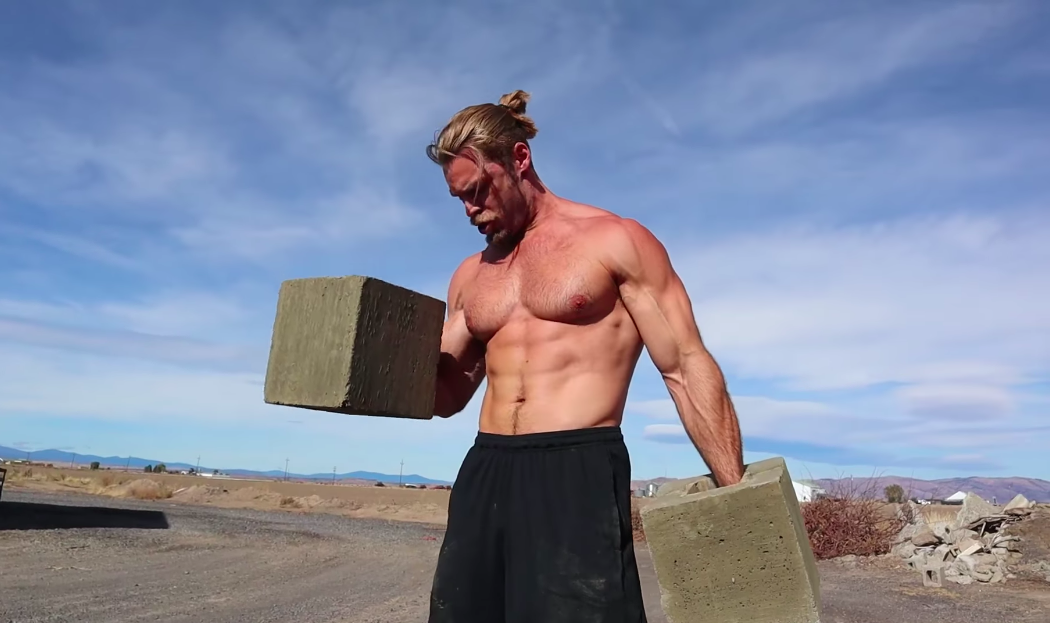
DIY Barbells and Dumbbells

So I was browsing barbells back in early March when I noticed the prices were a bit ridiculous. Prices often ranged from $100 to $300 just for the bar, not counting the weights.

And because I love frugal exercise equipment it occurred to me that I should do a post about DIY barbells and dumbbells.

Using a variety of materials anyone can make their own barbells and dumbbells. Concrete? Sure. Sand? Why not. Dirt or water? Absolutely. Wood? If you have lots of wood to spare, then do it.

The point is that you don't need to spend hundreds of dollars to equip yourself with your own set of dumbbells and barbells. You can just build them out of recycled materials or from things you find at the hardware store.


Equipment for Powerlifters and Bodybuilders

As part of my ongoing series of posts on the topic of Powerlifting (a competitive weightlifting sport) I have decided to include a post on the topic of Powerlifting Equipment.

I want to note however that people wanting to use such equipment can also sometimes just make their own equipment. The DIY approach is often just as rewarding as anything you can buy in a store.

I am also approaching this from the perspective of someone who has a casual interest in Powerlifting and as someone who wants to use the various Powerlifting techniques as part of someone's weightlifting routine, and not because they want to compete in the sport.

  • Bench Press Shirt - Designed to store kinetic energy and help the lifter lift more.
  • Deadlift Socks - Thick socks designed to protect the lifter's shins while performing a deadlift.
  • Deadlift Suit - Provides compression, but also stores kinetic energy to help the lifter lift more.
  • Elbow Sleeves - Supports the elbow joint, reduces inflammation and provides compression.
  • Gum Sheilds / Mouth Guards - Protects the teeth while the lifter is clenching their jaw.
  • Gym Chalk - Used to absorb moisture, improve grip and reduce friction.
  • Knee Sleeves - Similar to Knee Wraps, but provide compression and reduce inflammation of the knee joints.
  • Knee Wraps - Strips of elastic wrapped around the knees which protect the knee joints.
  • Knee Wrap Rollers - Used to make Knee Wraps tighter and provide more tension.
  • Lifting Straps - Loops around the wrists and the barbell, allowing the user to lift with their forearms and not have to use their hands so much. Some lifters consider them to be cheating, but you could say that about a lot of the things on this list.
  • Singlet/Leotard - Really only worn during competitions so that a referee can easily see whether someone properly completed a squat or succeeded in performing a lift properly.
  • Smelling Salts - Contains ammonia, but can be used as a stimulant to trigger a short but intense burst of adrenaline, which can boost performance.
  • Squat Suit - A supportive aid designed to help prevent injury while lifting more.
  • Weightlifting Belt - Works similar to a back brace, providing rigid support and stability to the lower back and core muscles.
  • Weightlifting Shoes - Two Types: Deadlift shoes (flat with ankle support) and Squat shoes (rigid with elevated heel). Both are designed to help prevent injuries while lifting.
  • Wrist Wraps - Elastic strips wrapped around the wrist joint to help reduce movement and prevent injury.

As you may have guessed, most of the things on the above list are basically designed for two things:

  1. To prevent injury.
  2. To help the Powerlifter lift more weight.

How many of these things do you consider to be necessary? Well, it depends on how much value you place on preventing sports injuries.

I personally think that preventing sports injuries is very important. Some competitions prefer that the competitors lift without any equipment, what is known as Raw or Classic, while some competitions favour all the competitors being equipped so that lifters aren't injuring themselves. How much equipment someone uses is basically up to the user.

What you decide to use is up to you. My one piece of advice is that if you're not going to get anything to protect your joints that you at least take it easy and don't push yourself too hard.

Also sometimes you may have no choice but to use some types of equipment, but that shouldn't stop you from exercising. Use whatever you consider to be necessary and important to you.

See Also


Looking to sign up for archery lessons, boxing lessons, swimming lessons, ice skating lessons or personal training sessions? Start by emailing cardiotrek@gmail.com and lets talk fitness!

Followers

Popular Posts

Cardio Trek Posts